Market Overview: The Growing Jelly Supplement Industry
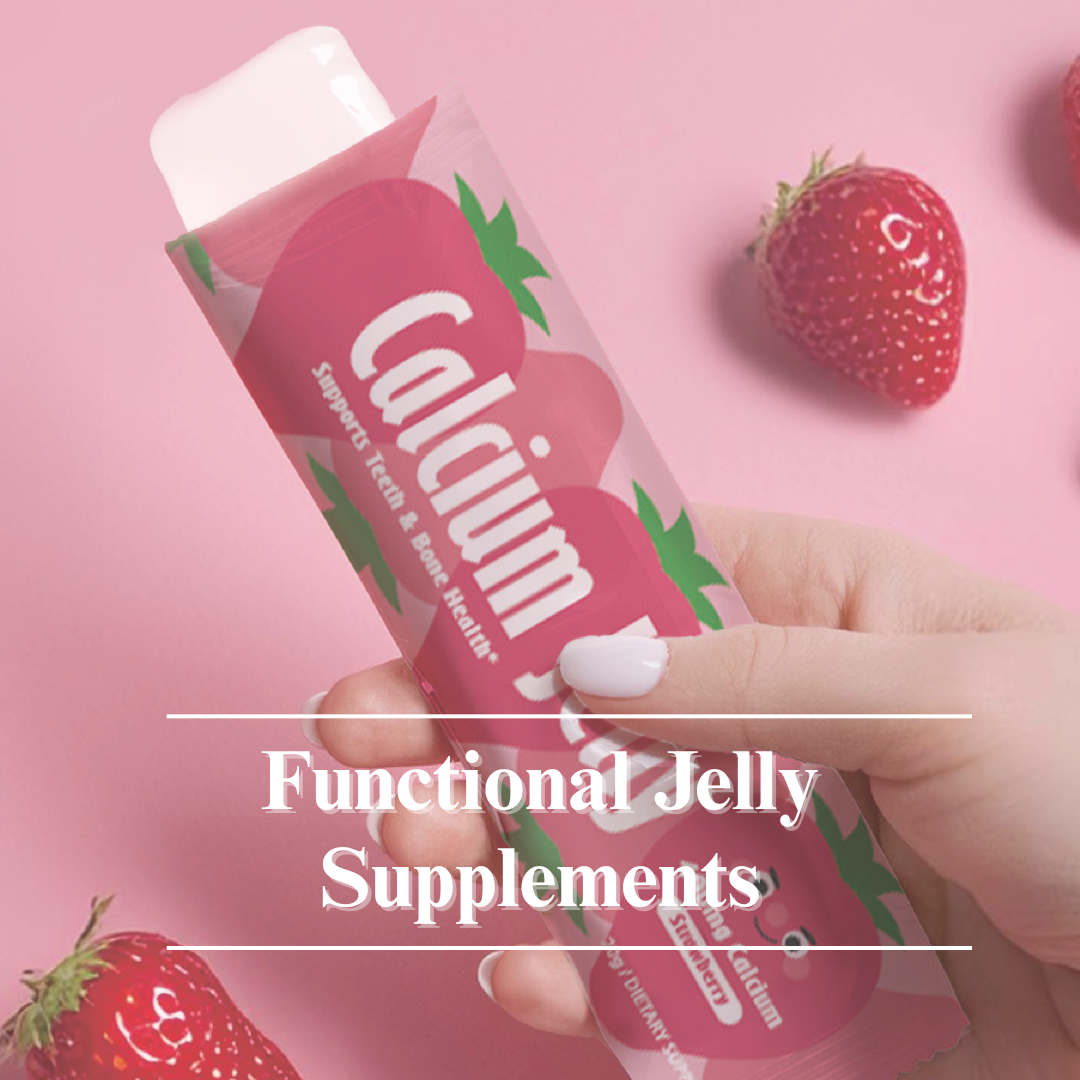
Have you been trying a functional jelly supplement? As consumers look beyond traditional capsules and tablets, food-like supplements such as jellies are getting popular for their convenience and enjoyable experience. Functional jelly supplements became especially popular in markets such as Japan, Korea, and Taiwan, where consumers increasingly seek convenient products that can easily fit into a more urban lifestyle and their daily routines.
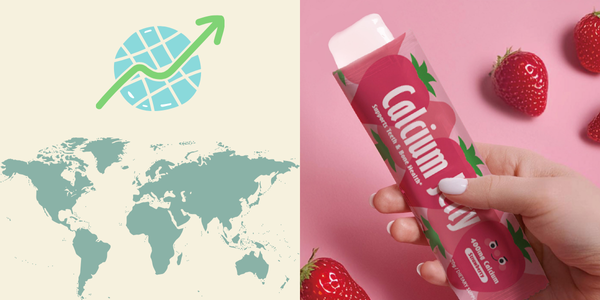
This trend is also supported by research reports showing strong growth in the global functional jelly supplement market. According to Verified Market Reports, the market was valued at USD 1.5 billion in 2024 and is projected to reach USD 3.2 billion by 2033, representing a compound annual growth rate (CAGR) of 9.2%.
At the same time, growing health awareness brings more consumers, particularly younger generations, in the supplement markets. As consumers look for supplements that are effective, convenient, and enjoyable to take, functional jelly offers an appealing alternative to traditional supplement formats.
If you’re considering entering the functional jelly supplement market, this guide will walk you through the key advantages of jelly formats, popular product concepts, important considerations when choosing a contract manufacturer, and the market trends brands should understand before getting started.
What Are the Advantages of Jelly Supplements?
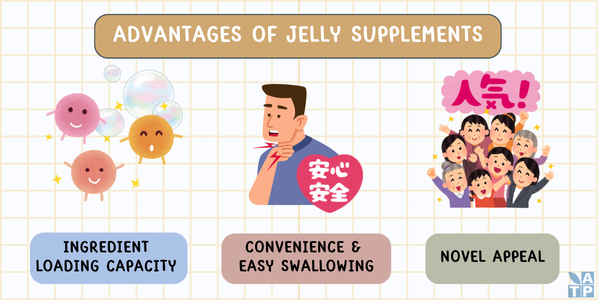
1. Higher Ingredient Loading and Potency
Compared with gummies, capsules, and tablets, functional jellies can accommodate relatively higher amounts of active ingredients in a single serving. For example, a 30-gram jelly stick may contain around 2 grams of collagen, while capsules typically hold only about 0.5–1 gram, and gummies generally allow even less.
That said, not every functional ingredient is suitable for a jelly format. Ingredient properties, dosage, stability, flavor, and interactions with the gelling system all need to be carefully evaluated, which will be discussed later in this article.
2. Convenient and Tasty
Swallowing capsules and tablets can be challenging for many consumers, and the issue is not limited to older adults. According to surveys conducted by the Spiegel Institut Mannheim in the United States and Germany, more than half of respondents reported difficulty swallowing tablets or capsules.
This makes convenient, pleasant-tasting supplement formats that feel more like food especially appealing. With its soft texture and convenient sachet packaging, functional jelly can also be a practical option for consumers who prefer an easier-to-consume format. As with any jelly product, young children should always consume it under adult supervision to reduce choking risks.
3. A Fresh Way to Differentiate Your Product
As more supplement brands are entering the market and many products are offering similar ingredients and benefits, turning familiar formulations into a jelly format can make the product more enjoyable to consume while giving brands a fresh angle for marketing and product differentiation.
Today, major wellness brands already introduced jelly-style supplements across different health categories, showing how this format can be used to create a more modern and consumer-friendly supplement experience. And this idea is already well educated among consumers.
Popular Functional Jelly Claims and Related Ingredients
The functional jelly market continues to expand, giving brands plenty of opportunities to develop products around different wellness needs and consumer groups. Here are several popular product concepts and formulas that may inspire your next functional jelly formula.
Calcium and Bone Support
Target Audience: Children, teenagers, adults, pregnant women, and older adults
Complementary Ingredients: Calcium citrate, Vitamin D, Vitamin K, casein phosphopeptides (CPP), collagen, and egg yolk powder
Weight Management
Target Audience: Primarily adults interested in weight management, appetite control, and metabolic wellness
Complementary Ingredients: Moro blood orange extract, Garcinia cambogia extract, piperine, African mango seed extract, green tea extract, green coffee extract, and guarana extract
High Fiber and Enzymes
Target Audience: Office workers, people with sedentary lifestyles, and consumers with low-fiber or unbalanced diets
Complementary Ingredients: Mixed fruit and vegetable enzymes, inulin, apple cider vinegar, postbiotics, corn silk extract, oligosaccharides, konjac, and plant fiber
Beauty and Brightening
Target Audience: Primarily consumers interested in beauty-from-within, hydration, and antioxidant support
Complementary Ingredients: Collagen, hyaluronic acid, amla extract, pomegranate extract, glutathione, Vitamin C, and Zinc
Energy and Post-drinking Wellness
Target Audience: Busy professionals, people with irregular schedules, frequent socializers, and consumers looking for daily energy support
Complementary Ingredients: Turmeric extract, glutathione, B vitamins, taurine, guarana extract, Hovenia dulcis extract, ginseng extract, and artichoke extract
Eye Health
Target Audience: Children, teenagers, adults, and older adults who regularly use digital devices
Complementary Ingredients: Lutein, zeaxanthin, eyebright extract, bilberry extract, maqui berry extract, hyaluronic acid, and Vitamin E
Sleep Support
Target Audience: Adults and older consumers looking for relaxation, stress support, and better nighttime routines
Complementary Ingredients: GABA, passionflower extract, ashwagandha extract, sour jujube seed, sesamin, and tart cherry

Is Making Jelly Simply Mixing Liquid with Jelly Powder? What Factors Affect Jelly Stability?
Have you ever made tea jelly or herbal jelly at home and wondered whether functional jelly manufacturing works the same way? In reality, functional jelly is much more complex to manufacture than capsules, tablets, powder sachets, or beverages. Unlike these formats, functional jelly requires knowledge and experience of all the formulation, active ingredients, and processing conditions.
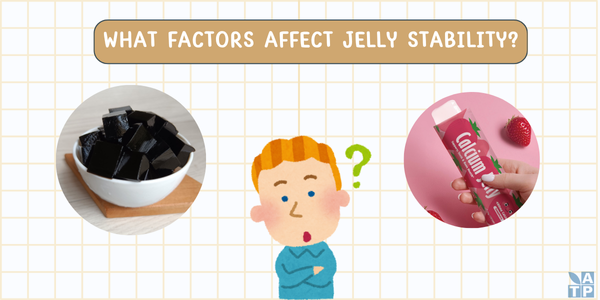
A commercial functional jelly must remain shelf-stable at room temperature, maintaining the stability of its active ingredients, preventing the growth of harmful microorganisms, and retaining a consistent gel structure throughout its shelf life. Key factors that can influence gel stability include temperature, the type and ratio of gelling agents, ingredient combinations and concentrations, overall pH, and the sterilization process. All of these factors must work together to preserve the product’s texture, flavor, appearance, functionalities, and overall consumer experience.
Key Considerations for Developing Jelly Supplements
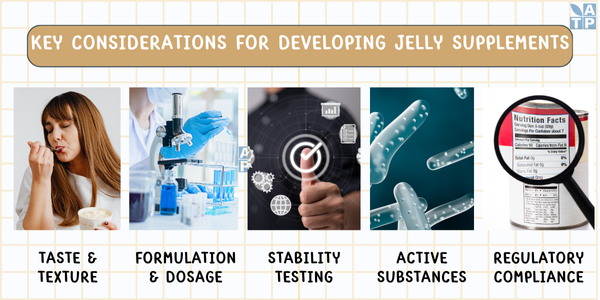
1. Taste and Texture
Maintaining taste and texture can be challenging, especially when a formula contains multiple plant extracts or other ingredients with strong natural flavors. The more complex the formula, the more difficult flavor optimization can become compared with regular confectionery jellies.
Processing also matters. Similar to beverages, flavor may shift slightly before and after commercial sterilization, so these changes should be considered during sample development and final formula adjustments.
2. Formulation and Dosage
Although jelly starts as a liquid before it sets, a beverage formula cannot always be converted directly into a jelly. Ingredients such as collagen, botanical extracts, citric acid, mineral ions, and different gelling agents can all affect gel formation and long-term stability.
The final result also depends on ingredient ratios and processing conditions, which is why working with an experienced jelly supplement manufacturer is so important.
3. Heat Penetration and Stability Testing
Functional jellies are designed for room-temperature storage and typically undergo commercial sterilization during production. Depending on the market and product requirements, heat penetration testing may also be needed to verify that the sterilization process is effective and the product is safe.
As stability tests should be conducted for jelly to ensure consistent texture, active ingredient content, and product safety, allowing adequate time for testing and validation can help keep the project on track and support a successful launch.
4. Active Ingredients Compatibility
Commercial sterilization can make certain heat-sensitive ingredients difficult to use in jelly products. Enzymes, Omega-3s, and many live probiotics, for example, may not be ideal for this format.
For probiotic jelly concepts, heat-inactivated probiotics or postbiotics may be more suitable options, depending on the formula and intended product positioning. Ingredient stability should always be evaluated before moving into commercial production.
5. Regulatory Compliance
Food ingredients and food additive rules vary by country and region, including which ingredients are allowed, how they may be used, and their permitted limits. An additive that is legal in one product category may not necessarily be approved for use in jelly supplements.
This is especially important when adapting formulas from overseas products. For example, some collagen jellies imported from Korea have faced compliance issues because they contained steviol glycosides that were permitted as sweeteners but not approved for use in jelly products in the destination market.
To avoid costly reformulation, returns, or delays, regulatory requirements should be reviewed early in the product development process.
Five Key Points for Selecting a Jelly Supplement Contract Manufacturer
1. Strict Raw Material Quality Control
Consistent product quality starts with carefully controlled raw materials. Each ingredient should come with complete inspection records covering key factors such as pesticide residues, plasticizers, heavy metals, moisture, microorganisms, appearance, and a Certificate of Analysis (COA). Strong incoming-material controls help maintain consistency and traceability throughout the supply chain.
2. Customized Formulation Capabilities
Because formulas for functional jelly can vary significantly, an experienced jelly supplement contract manufacturer should also be able to customize the formula based on your product goals, target audiences, ingredient characteristics, and flavor preferences. This flexibility allows brands to create more distinctive products that better match their market positioning.
3. Experienced Jelly Manufacturing Technology
Functional jelly production also involves many technical details, from mixing, packaging material selection and filling to sterilization, storage, texture measurement, and flavor evaluation. Working with an experienced functional jelly contract manufacturer can simplify these steps, reduce unnecessary trial and error, and make the development process more efficient.
4. Certified Production and Safety Management
Product safety should always come first. That’s why it is important to choose a certified manufacturer with standardized production processes, strict sanitation controls, comprehensive quality management, and testing throughout production.
5. Comprehensive Finished-Product Testing
Finished products should also go through appropriate testing for active ingredient content, safety, and overall quality before release. These final checks help ensure consistent product performance and give brands greater confidence that their functional jelly supplements meet the intended specifications.

Turn Your Functional Jelly Supplement Concept into a Market-Ready Product with ATP-BIO
Functional jelly supplements offer several advantages over traditional capsules and tablets. They are convenient, easy to consume, and can deliver a meaningful amount of active ingredients in a single serving. Their gel structure also provides excellent taste-masking capabilities, helping reduce the bitterness, metallic notes, and strong odors often associated with minerals, botanical extracts, collagen, and other functional ingredients.
These advantages give brands more flexibility to create supplements that are not only functional but also enjoyable to take every day. A pleasant flavor, smooth texture, convenient packaging, and consistent quality can all improve the consumer experience and help encourage repeat purchases.
However, developing a successful functional jelly takes more than simply turning a supplement formula into a gel. Ingredient compatibility, the gelling system, flavor optimization, sterilization, packaging, and shelf stability all need to work together. That’s why choosing an experienced functional jelly supplement manufacturer is so important.
ATP-BIO provides comprehensive OEM and ODM support, from raw material quality control and customized formulation to gelling-system development, taste and odor masking, sweetness and acidity adjustments, packaging selection, manufacturing, and finished-product testing.
Backed by GMP, HACCP, ISO 22000, and NSF-certified quality systems, our facilities are designed to meet the highest standards of food safety, quality assurance, and traceability. Our development team carefully evaluates each active ingredient and fine-tunes the formula to create functional jelly supplements that are stable, appealing, and enjoyable to consume.
Ready to develop your own functional jelly supplement? Contact ATP-BIO today to discuss your OEM or ODM project and turn your product idea into a market-ready solution.
FAQs
What are functional jelly supplements?
Functional jelly supplements combine nutritional ingredients with a soft, food-like jelly texture. Unlike traditional capsules, tablets, or powder sachets, they are easy to consume on the go and can make daily supplementation feel more convenient and enjoyable.
What are the main advantages of jelly supplements compared to other supplement formats?
Jelly supplements are easy to swallow, can accommodate meaningful amounts of active ingredients in a single serving, and offer strong taste-masking performance. Their gel structure helps reduce bitterness, metallic notes, and strong ingredient odors, making them especially suitable for formulas that may be unpleasant in powder or liquid form.
What functional claims and ingredients are commonly used in jelly supplements?
Functional jellies can be developed for a wide range of wellness needs, including calcium supplementation, eye health, weight management, digestive support, beauty, energy, and post-drinking support. Common ingredients include calcium citrate, vitamin D, heat-resistant probiotics, collagen, lutein, glutathione, dietary fiber, and botanical extracts.
Can any liquid supplement formula be converted into functional jelly?
No. Active ingredients can affect gel formation, texture, flavor, pH, and long-term stability, so a liquid formula usually cannot simply be transferred into a jelly format. An experienced formulation team must evaluate the ingredients and adjust the gelling system, ratios, processing conditions, and flavor profile accordingly.
What factors affect the stability and texture of functional jelly supplements?
Several factors can influence jelly stability and texture, including processing temperature, the type and ratio of gelling agents, ingredient concentrations, pH, ingredient interactions, and sterilization conditions. Careful control of these variables helps maintain a consistent texture, prevent separation, and support product stability throughout its shelf life.
Are probiotics suitable for jelly supplement manufacturing?
They can be, but formulation requires extra care. Many live probiotics are sensitive to heat, moisture, and pH changes, which can make them difficult to use in jelly products. Manufacturers may need to select heat-tolerant strains or consider postbiotics, followed by testing to confirm that the finished product meets its intended specifications.
How do I choose a reliable jelly supplement contract manufacturer?
Look for a manufacturer with an experienced R&D team, reliable jelly-production technology, strong raw material controls, and comprehensive finished-product testing. A good jelly supplement contract manufacturer should also understand filling, sterilization, packaging, storage, texture control, flavor optimization, and regulatory requirements. choosing a manufacturer with internationally recognized quality and food-safety certifications, such as GMP, HACCP, ISO 22000, and NSF GMP, to ensure standardized production, traceability, consistent quality, and food safety for domestic and international markets is also recommended.